What Is a Waltz? Its History and How to Hear Three Beats
A waltz is both a dance and music in triple meter made for or modeled on that dance. Counting “1, 2, 3 | 1, 2, 3” makes it easier to hear the accompaniment in groups and the melody flowing across them.
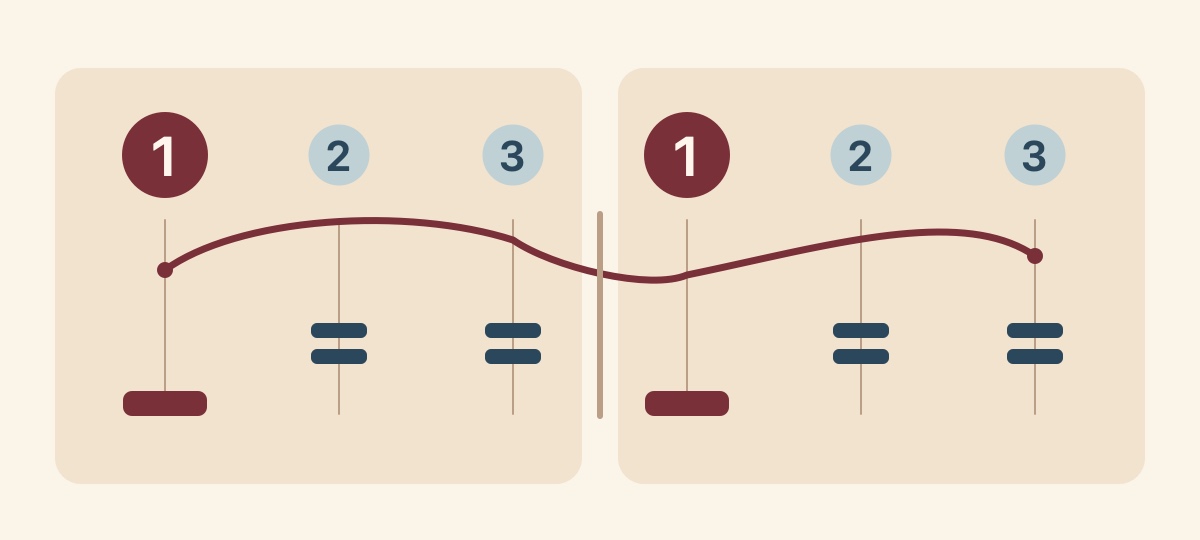
We will trace a work by Johann Strauss II premiered at a ball and the waltzes Chopin wrote for piano. A diagram shows how to count the beats, and you can then try the method with three modern original tracks.
How this list was chosen
- We trace the ball tradition and piano works using orchestra records and information about the compositions.
- We use three modern tracks from this site to listen first for the beats and then for the melody.
A waltz groups its three beats as “1, 2, 3”
The Viennese waltz is generally in 3/4 time: a quarter note is one beat, and each measure has three beats. Repeat “1, 2, 3 | 1, 2, 3” and use each new “1” as a marker to hear the grouping.
Triple meter describes how beats are grouped. Minuets can also be in triple meter. To identify a waltz, consider not only the meter but also the dance form and the kind of piece the work was written to be.
Wiener Blut was premiered at a ball
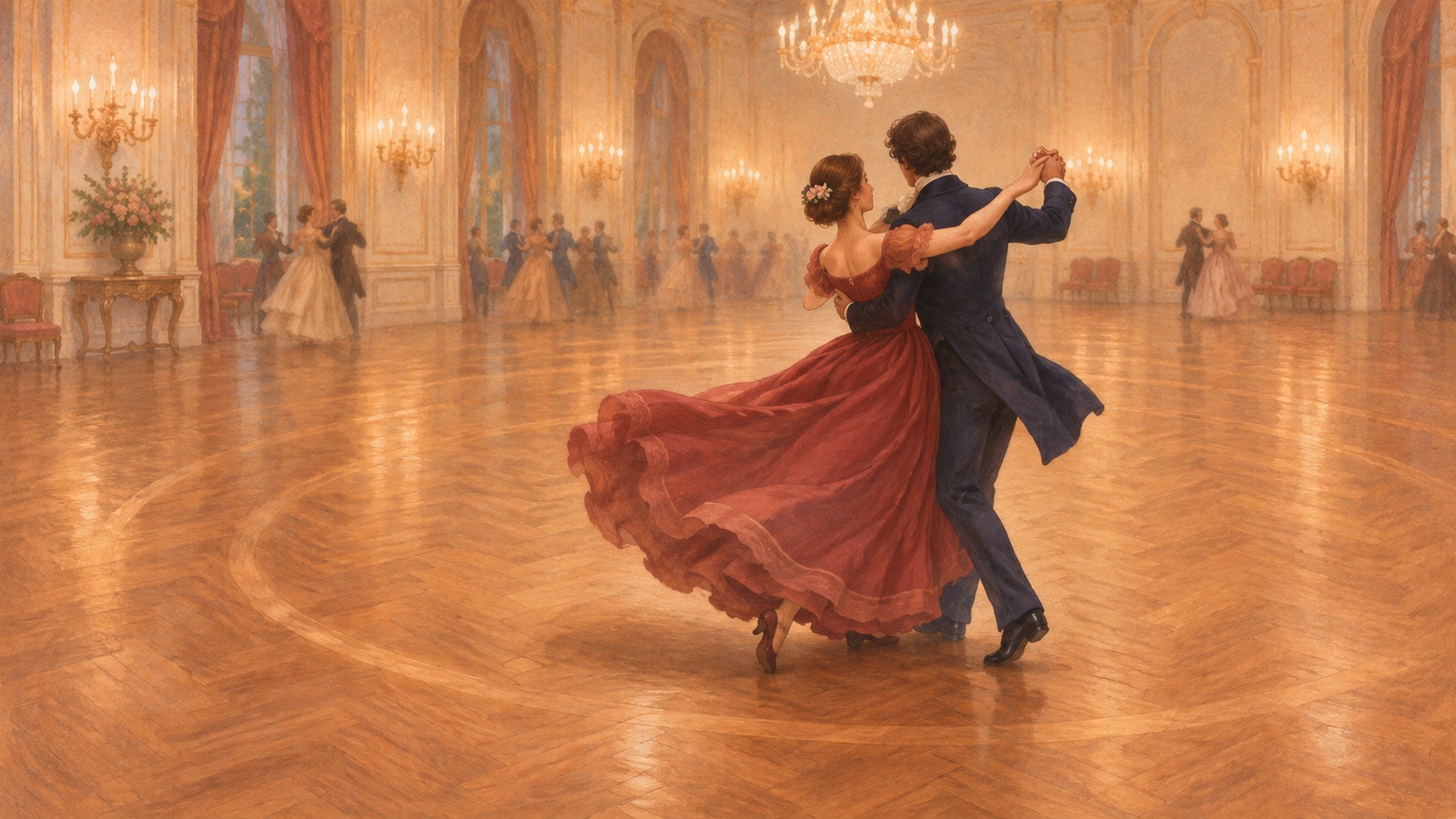
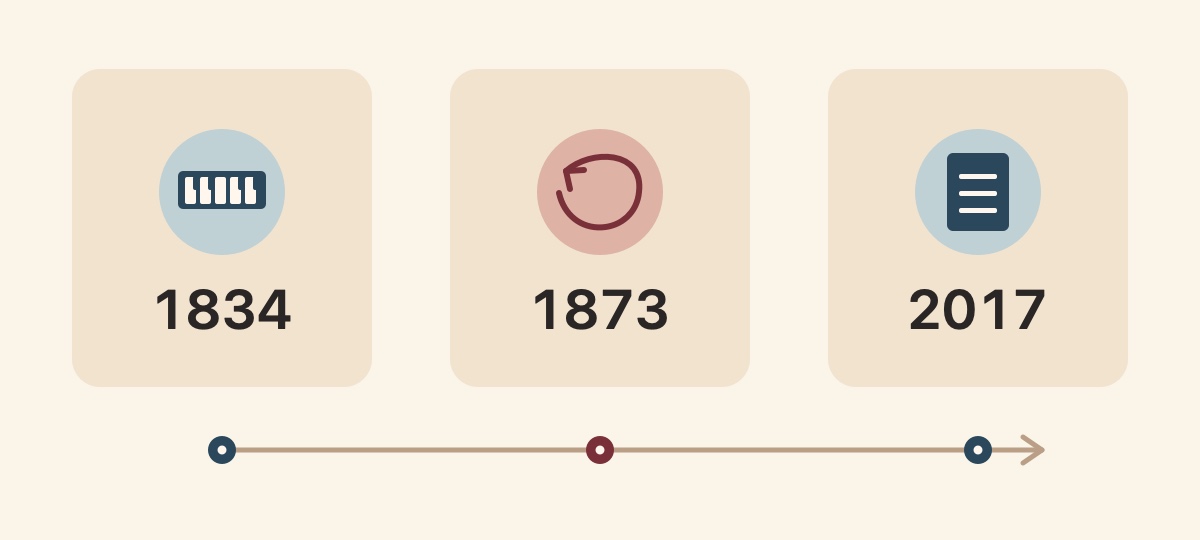
On April 22, 1873, Johann Strauss II's Wiener Blut, Op. 354, was premiered at an opera ball in the Great Hall of the Musikverein in Vienna. According to the Vienna Philharmonic's history, Strauss wrote the piece for that ball and conducted the musicians with violin in hand.
In November of the same year, Strauss performed The Blue Danube at a gala concert. It took time for the orchestra to perform the family's works in earnest, and in 1925 it held a concert devoted entirely to Strauss's music. This shows how the waltz took root both where people danced and where they listened to an orchestra.
Chopin’s waltzes for solo piano
According to the Fryderyk Chopin Institute, the young Chopin encountered waltzes used for dancing in Poland and Vienna. He composed the Waltz in E-flat major for piano, Op. 18, in 1833, and it was published the following year, in 1834.
The institute explains that Chopin's works range from short, dance-like miniatures to brilliant concert pieces. First count the accompaniment's three beats, then listen for where the piano melody breathes and where it moves into the next measure. This helps reveal the differences among works that are all waltzes.
References
Listen for the bass, accompaniment, and melody
Choose the same passage and count two measures: “1, 2, 3 | 1, 2, 3.” A common accompaniment example places a low note on beat 1, followed by lighter accompaniment on beats 2 and 3. Find beat 1 as the start of each new measure and check how often the low note returns. In passages with rests or sustained notes, keep counting the beats in your head.
Once you can hear the beats, listen to the same passage again and focus on the melody. Find where it crosses the next “1” and where it pauses at a boundary. Following the bass, accompaniment, and melody in that order helps you hear how the piece uses its three beats.
Hear the beat and melody in three modern waltzes
Now try the method with three original tracks from our catalog. Each link opens the point in the compilation video where the track begins.
Mop Waltz (4:15) is a string waltz featuring violin. From 8:34, listen to the strings and look for groups of “1, 2, 3.”
Apple Tart Waltz (4:15) is a waltz with cello. From 23:14, shift your attention to the sounds layered with the melody while following the beat groupings.
Three Days Without Land (3:49) is game-style BGM with clarinet carrying the main melody. From 1:36:47, try hearing the clarinet melody separately from the beats beneath it.
People in Vienna still dance and perform the waltz
In 2017, the Austrian Commission for UNESCO added the Viennese waltz to Austria's national inventory of intangible cultural heritage. It describes traditions such as listening to The Blue Danube at New Year and dancing the waltz at the opening of balls and at weddings.
Its sound is also carried on by dance orchestras, symphony orchestras, and choirs. Alongside Chopin's piano works and orchestral performances, hearing the waltz as music that people still dance and sing shows the breadth of its uses.
Using the three featured tracks in videos and streams
Mop Waltz, Apple Tart Waltz, and Three Days Without Land are royalty-free BGM tracks available as free downloads. Under the usage guide, you may use them in commercial and non-commercial videos and streams. No credit is required.
Reselling or redistributing the audio by itself and using it as AI training data are prohibited. You can download each track from its track page. Check the latest audio usage guide before using them.
References
- 1
Compare the beat and melody in three tracks
Listen in turn to the violin, cello, and clarinet, and follow how the beats group together.
These sounds from arcalune
- Mop Waltz4:15
- Apple Tart Waltz4:15
- Three Days Without Land3:49
The waltz accompanied dancing at balls and became a form for orchestral works and solo piano pieces. Start by counting the same passage for two measures, then listen in order for the returning bass, the accompaniment on 2 and 3, and the melody crossing the beat boundary.
Comparing the violin, cello, and clarinet examples with the same method makes it easier to follow the groups of three beats while also paying attention to each instrument's tone.
FAQ
- What is a waltz?
A waltz is a dance and music built on triple meter. It includes music used at balls as well as works heard in orchestral and piano performances.
- Is every piece in triple meter a waltz?
Triple meter groups beats in threes. Minuets can also be in triple meter. A waltz refers to a dance or a musical form.
- How do you count the three beats of a waltz?
Count “1, 2, 3 | 1, 2, 3,” and look for beat 1 as the start of each measure. A low note on 1 followed by accompaniment on 2 and 3 can serve as a guide.
- Is a waltz for dancing or for concert listening?
You can hear waltzes both at balls and in concerts. Johann Strauss II's Wiener Blut was written for a ball, while Chopin's waltzes include works performed in piano concerts.
- What are Chopin's waltzes like?
The Fryderyk Chopin Institute describes a range from short, dance-like miniatures to larger works resembling dance poems. The Waltz in E-flat major, Op. 18, is a piano work composed in 1833 and published in 1834.
- Can I use the three featured tracks in videos and streams?
You may use these three tracks from this site in commercial and non-commercial videos and streams under the usage guide. No credit is required. Reselling or redistributing the audio by itself and using it for AI training are prohibited.