

What Is Instrumental Music? BGM, Off-Vocal and Karaoke Compared
Instrumental music is a piece or recording carried by instruments without lead vocals. It may also be called an instrumental or an instrumental track. A piece in which the piano plays the melody is still instrumental music, whether you listen closely or play it behind a video.
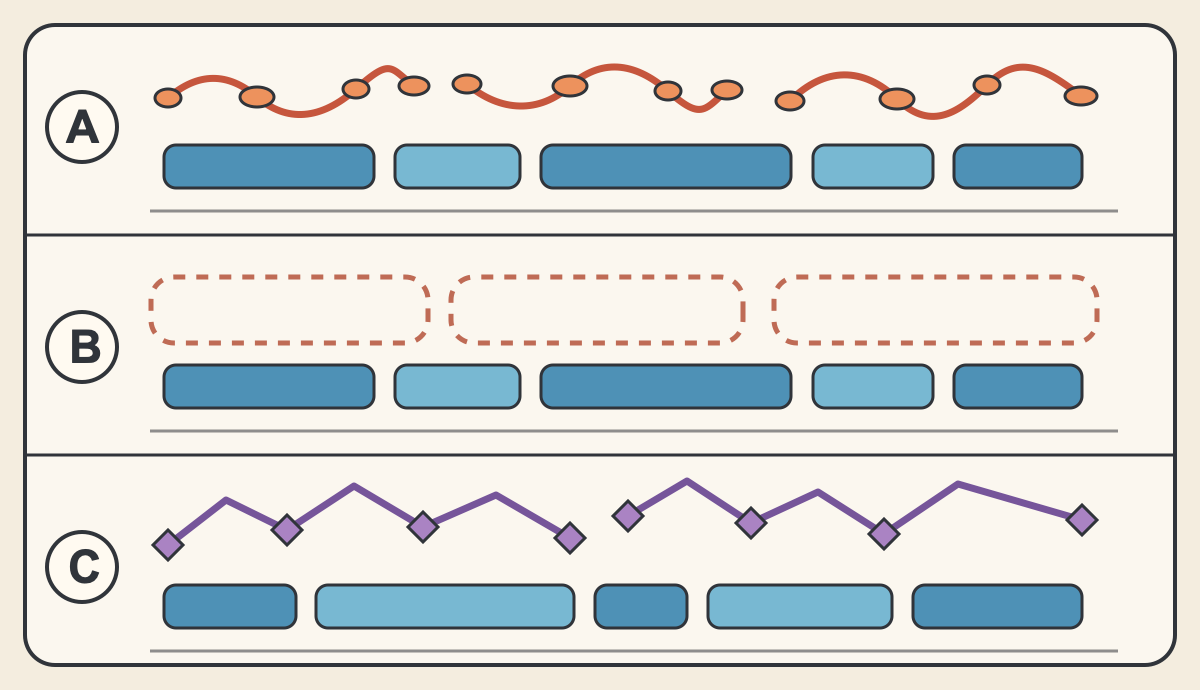
Two recordings can both seem to have no singing, yet there is a useful difference between music composed without vocals from the start and a version made by removing the lead vocal from a vocal song. The diagram and two examples below show what to listen for and how each type can be used.
Instrumental describes the sound, while BGM describes its role
BGM stands for background music. Imagine editing a video. When you listen to a piano piece on its own, the piano melody draws your attention. Place the same recording quietly under speech and it supports the scene in the background. The recording is instrumental music, and it is serving as BGM in the video.
A song with vocals can serve the same purpose. If it plays behind the visuals with the singing intact, it is still BGM. When looking for an instrumental, listen for whether there is a lead vocal and how the instruments carry the melody. To decide whether something is BGM, consider the role the music plays in relation to the picture or dialogue.
An off-vocal version corresponds to an original vocal song
An off-vocal version is a release of a song with vocals and accompaniment that leaves out the lead vocal. If you know the original, you can compare what continues in the accompaniment where the singing begins and which voices, if any, remain. Services may label another version of the same song as “Instrumental” or “Off Vocal.”
By contrast, a piece composed as instrumental music from the start has no original vocal to remove. One example is a piece in which the piano carries the melody from the beginning without reserving a part for a singer. In the diagram, A and B have the same accompaniment, while C combines an instrumental melody and accompaniment from the outset.
If you do not want voices, check the release description as well as the version label, then preview any passages that may contain a chorus or guide vocal. If you only need to avoid lyrics, decide whether wordless sounds such as humming are suitable for your video.
For karaoke, look for cues that help you sing
A karaoke track is accompaniment intended for you to sing over. Because you sing along with the original song, the accompaniment may include a guide melody or sample vocal that signals the entry and pitch. When using an off-vocal version for practice, check the original song, key and whether guides are included.
If you want music behind a video, focus less on cues for singing and more on how it sounds under dialogue or location sound. Try the music against the same short scene and lower its level to see whether the dialogue remains easy to follow.
References
Compare an instrumental track and a vocal song from the beginning
“Opening the Blue Window” is a 3-minute-45-second instrumental piece in which felt piano carries the melody. Listen from the start of its compilation video and follow the melody at the center of the piece. It is royalty-free material that you can download for free and use in commercial videos and streams within the terms of use.
“Zero-Second Overdrive” is a 3-minute original song with lyrics and vocals. Listen until the singing enters, then compare how the words and instruments each move the song forward. This song is available for listening only. The two examples here are separate works.
Check distribution and permitted use before adding music to a project
Labels such as instrumental and karaoke tell you about the recording or its intended use. Whether you may use it in a video depends on the terms shown on its distribution page. For each track, check whether it can be downloaded, whether commercial videos and streams are allowed, and whether credit is required.
“Opening the Blue Window,” distributed on this site, has optional credit. You may not redistribute the audio on its own or use it for AI training. “Zero-Second Overdrive” can be heard on its track page and in its official music video. If you need editing material, open the collection of free BGM that is offered for download.
Choose one scene you want to use the music in and the criteria become clearer. If you will sing, look for accompaniment that matches the original song. If you are editing a video, compare the level under dialogue or action and check the usage terms. If you are simply listening, follow the melody you want to hear.
FAQ
- What is the difference between instrumental music and BGM?
Instrumental music is a piece or recording carried by instruments without lead vocals. BGM is the role of music playing in the background. If you place the same piano piece behind a video, you are using instrumental music as BGM.
- Are an instrumental version and an off-vocal version the same?
A version of a vocal song with the lead vocal removed may be released under either name. Music composed without vocals from the start is also called instrumental, so check the release description and preview to see whether the version corresponds to an original vocal song.
- Can I use any instrumental track in a video?
Check the track’s distribution page for permission to use it in videos or streams, commercial-use terms and credit requirements. Some tracks are available only for listening, while others are distributed as editing material.