
What Is Future Bass? History, Half-Time and Kawaii Future Bass
Future bass is electronic music that pairs broad synth chords and bass with busy notes over a spacious drum pulse. You hear quick notes, yet your foot taps more slowly. Start by keeping the count steady and changing where the snare lands.
Hear the drums and synth chords as separate parts
Start with the clap-like snare, then focus on the synth chords behind it. Hi-hats and short electronic notes can fill the space between widely spaced snares. When a chord gets louder and quieter while holding the same notes, you can hear motion apart from the drums.
This combination gives you a way into the music. Tracks vary in where the snare lands and how the chords move. Compare how fast the same passage feels depending on which part you follow.
Follow future bass through official releases from the 2010s
In early 2014, Australian producer Wave Racer released “Streamers” through Future Classic. Open the label’s recording and try following the bass and the snare separately when the shorter notes get busy.
Japanese producer Snail’s House says he tagged “Nyan Nyan Angel!” as Kawaii Future Bass when he posted it in 2014. The label dates Kirara EP, which includes the track, to May 13, 2015.
In 2016, Flume released the official audio for “Never Be Like You” featuring Kai. In the vocal passages, listen for where brief sounds come forward and where the chord texture shifts behind the singing. These recordings offer three ways in: busy electronic notes, music made to feel cute and a track built around a vocal.
Half-time leaves more space between snare hits
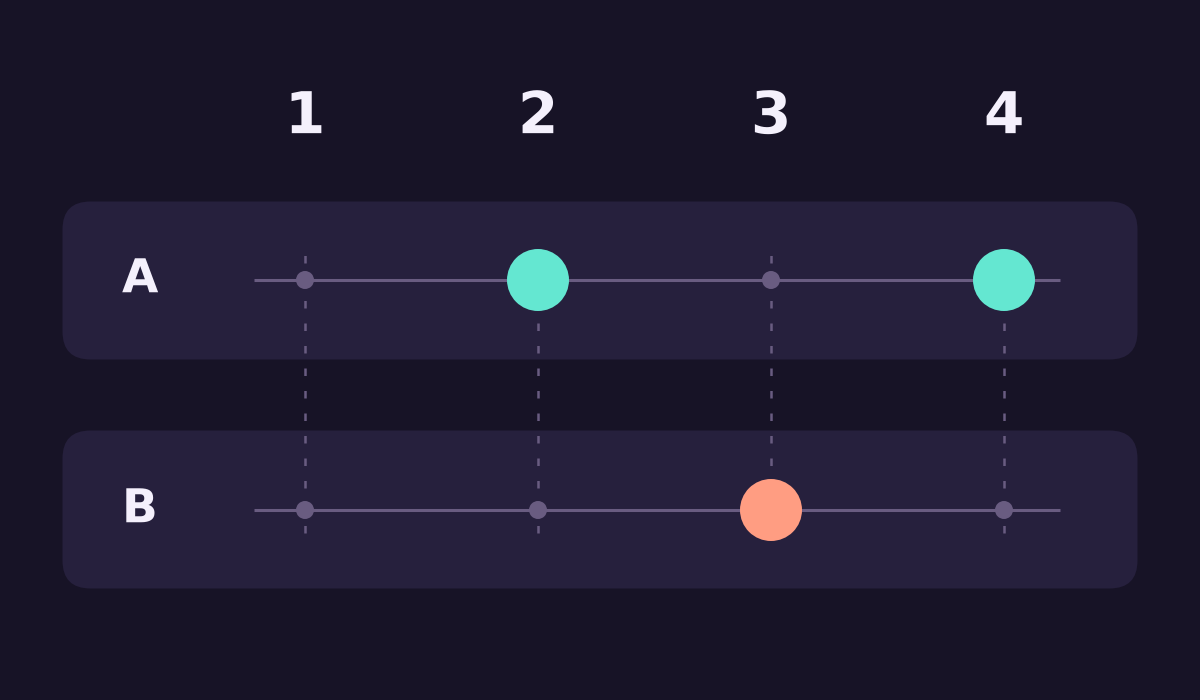
Count one, two, three, four, and clap on beats two and four. Now keep counting at the same speed and clap only on beat three. The bar stays the same length. When you repeat the pattern, the gap between claps grows from two beats to four. Put a quick hi-hat pattern over that spacing and you can feel a slow pulse and hear fast subdivisions together.
When you listen, follow only the snare for two bars before trying to count the short notes. Once you have its spacing, switch your attention to the notes between the hits. Leave playback speed where it is.
Keep the chord’s pitches steady and move its volume
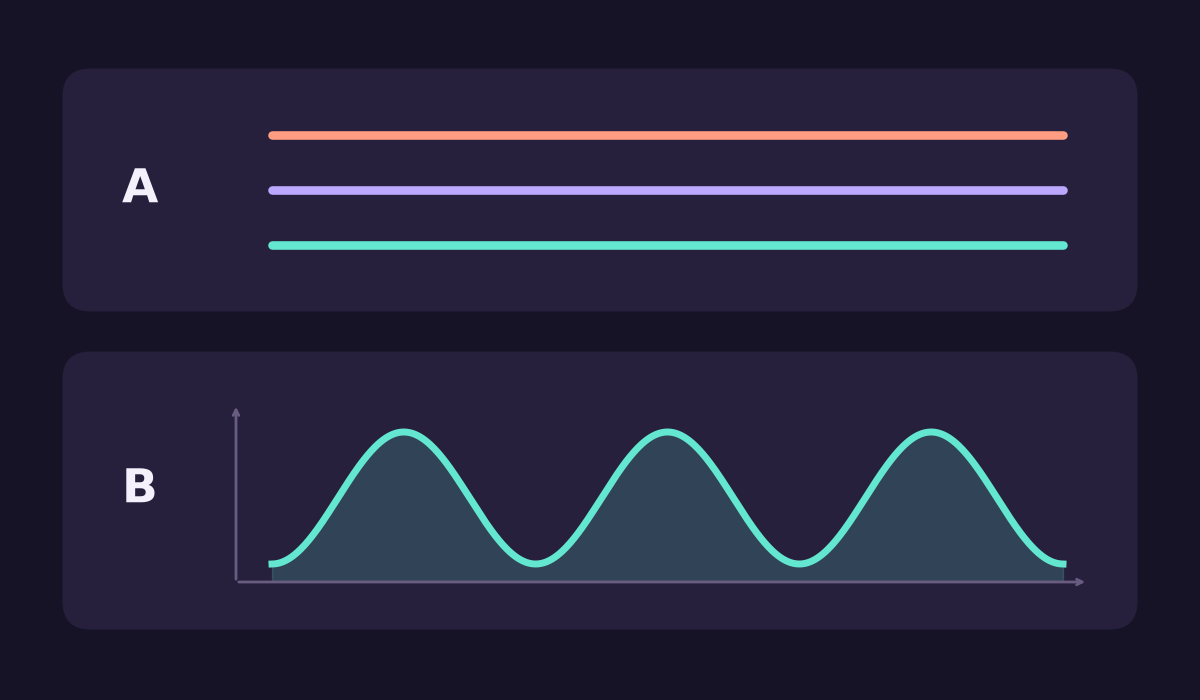
A chord is made of notes sounding together. Hold the three notes in the top row and raise and lower their shared volume along the curve in the bottom row. The chord swells repeatedly. Listen for the difference between a new, higher note and the same notes getting louder.
In production, you can create this motion by repeating a volume pattern or drawing volume changes against the beat. After you have heard the volume move, try following the short melody that moves above it.
What Kawaii Future Bass adds to the rhythm and chords
Kawaii Future Bass puts cute sounds and short melodies over the spacious pulse and synth chords of future bass. Snail’s House says he made “Nyan Nyan Angel!” to create a cute atmosphere. In the official recording, try following the short high notes, the chords and the drums in turn.
When you hear a high electronic sound, ask whether it carries the melody or decorates a sustained chord. Then listen for the space between drum hits. Those two checks give you something more specific to compare with cute pop or chiptune.
Listen in two passes with our track Donut Ferris Wheel
“Donut Ferris Wheel” begins at 8:51 in our YouTube video. First follow the roomy spacing of the drums. On the next pass, pick out the short plucked synth sounds from the chords underneath. Repeat the same stretch to hear which part changes your sense of pace.
To try it in a video opening, play the same passage with and without your greeting and check that the first words come through. The track is royalty-free and free to download for commercial use, with no credit required. Check the track page and audio usage guide for the terms.
- 1
A future bass listening example from our catalog
Follow the gaps between drum hits, then listen for the short synth notes above the chords.
These sounds from arcalune
Count the snare spacing first, then listen to the synth chords swell. Hearing how fast notes sit over a slower pulse helps you tell what each recording does differently.
FAQ
- What kind of music is future bass?
It is electronic music that combines synth chords and bass with short sounds over a spacious pulse. Drum and chord patterns vary from track to track.
- Does half-time cut the BPM in half?
You can keep the same BPM and move the snare from beats two and four to beat three. The longer gap between hits creates the slower feel.
- Does every cute electronic sound make a track Kawaii Future Bass?
Kawaii Future Bass combines cute sounds with future bass rhythms and synth chords. Listen to the timbre, the spacing of the drums and the movement of the chord volume together.
- Can I use the examples in a stream?
Our track Donut Ferris Wheel is free to download for commercial use with no credit required. The third-party recordings are official listening examples.