What Is a Piano Trio? Classical and Jazz Lineups Explained
A piano trio is a group of three musicians that includes a piano. In classical music, the standard combination is piano, violin, and cello. In jazz, piano, bass, and drums are common, while some lineups include guitar.
Using Beethoven’s Archduke Trio and twentieth-century jazz recordings as guides, we will find the sound of each musician one at a time. We will finish with a free listening track featuring piano, upright bass, and drums played with brushes.
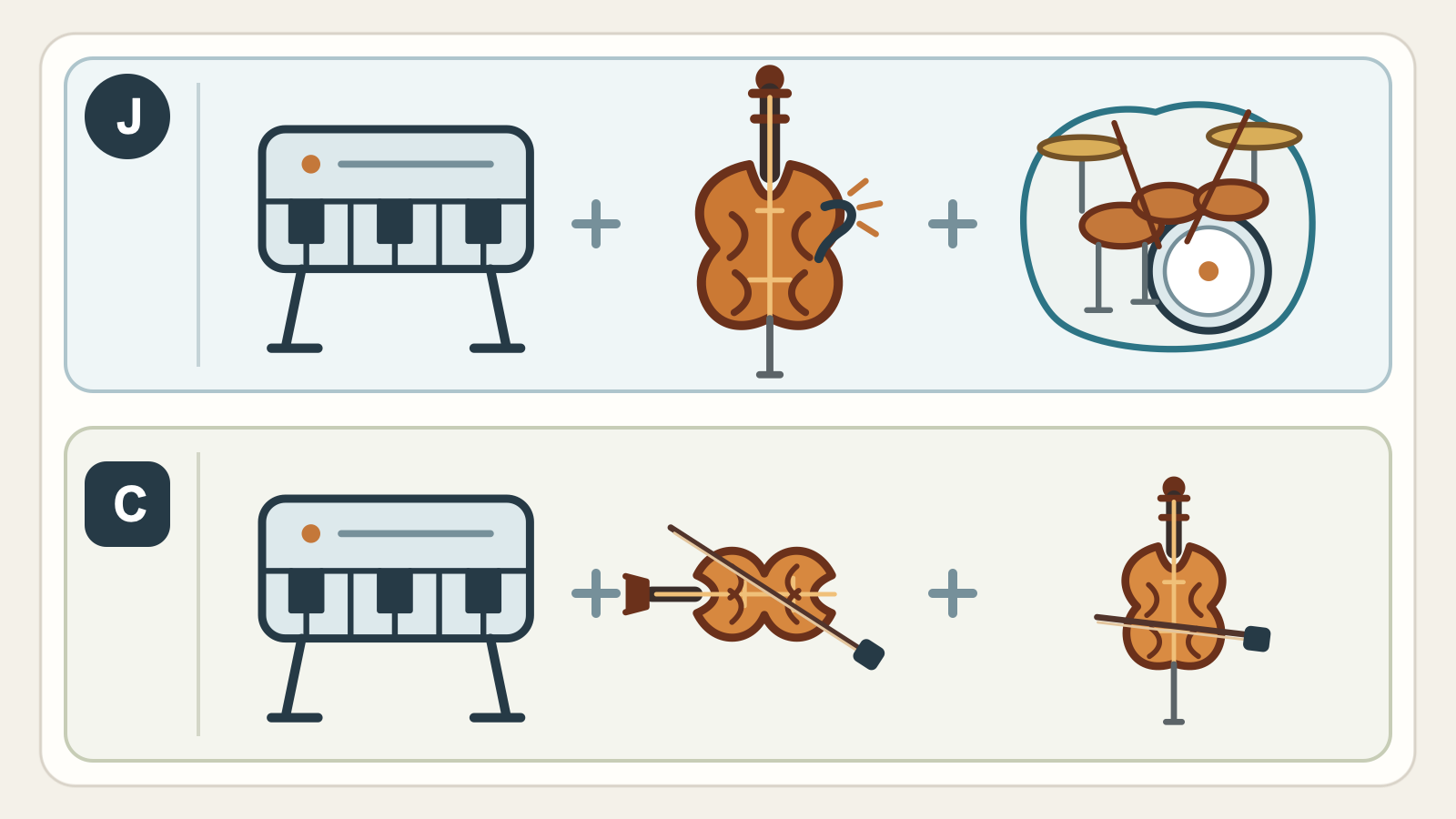
Compare piano trio instrumentation in the diagram
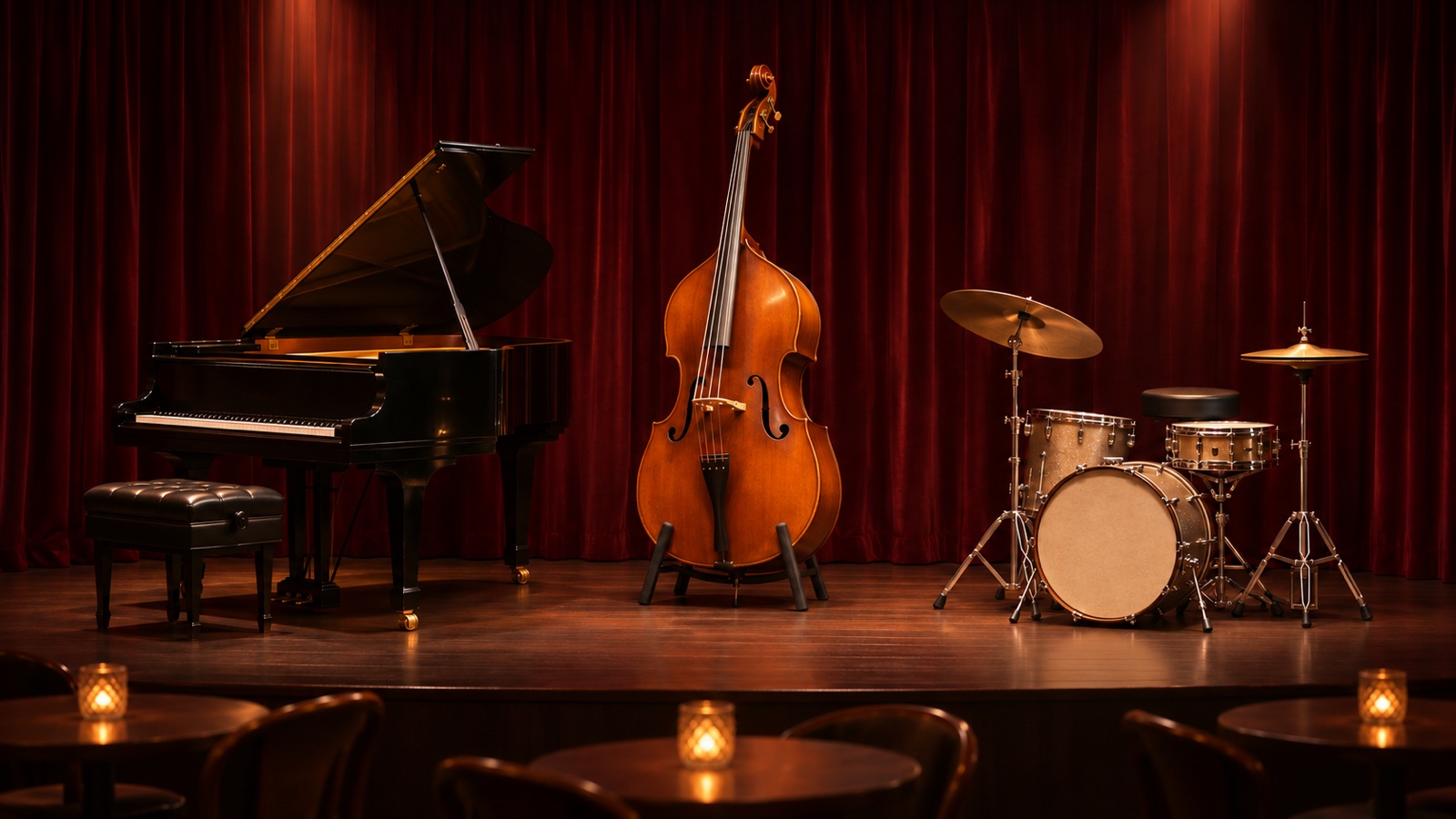
In classical music, a piano trio most often means piano, violin, and cello. In jazz, a piano trio commonly consists of piano, double bass, and drums. In a jazz context, the double bass is also called an upright bass.
The top row of the diagram shows a common jazz lineup, and the bottom row shows the standard classical lineup. Some jazz trios use guitar in place of drums. The work title and performer credits will tell you which instruments were actually used.
Hear the three instruments trade themes in Beethoven’s Archduke Trio
Beethoven’s Piano Trio in B-flat major, Op. 97, known as the Archduke Trio, was written for piano, violin, and cello. It was completed in 1811, and Beethoven played the piano at its first public performance in 1814. By the late eighteenth century, Mozart, Haydn, and others had already written works for the same combination.
In the first movement, the piano introduces the theme at the beginning. First remember the piano melody. When the violin and cello join, follow which instrument takes up the theme you heard at the start. This makes the structure of the ensemble easier to hear.
The second movement begins with unaccompanied cello. In the middle section, each instrument enters in turn with the same theme, so you can follow which one joins next.
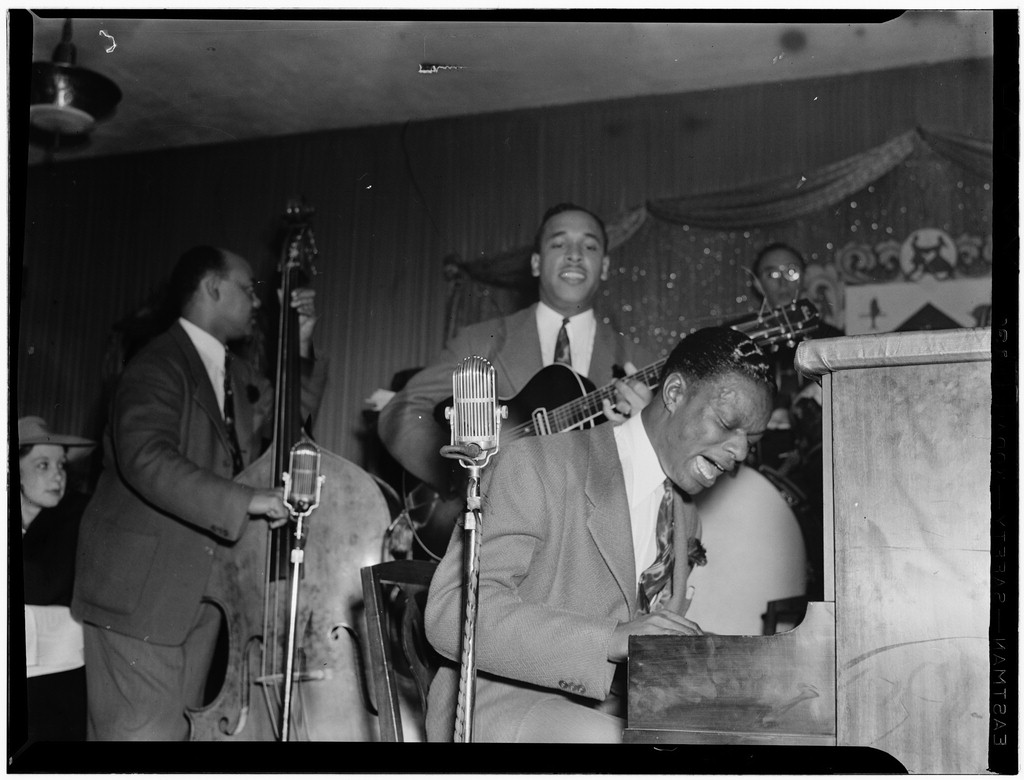
Piano, guitar, and bass in the King Cole Trio
Some jazz piano trios in the 1940s included guitar. On the King Cole Trio’s 1943 recording of Straighten Up and Fly Right, Nat King Cole sang and played piano, Oscar Moore played guitar, and Johnny Miller played bass.
Piano and guitar sometimes sound in similar registers. Listen for a short passage where one plays alone and remember its tone, then find the same sound after the instruments overlap. Follow the bass by listening to the movement in the low register.
Compare Ahmad Jamal’s 1955 and 1958 recordings of Poinciana
Ahmad Jamal recalled in an interview that he recorded Poinciana in 1955 with Ray Crawford on guitar, Israel Crosby on bass, and himself on piano.
On the 1958 live album At the Pershing, you can hear Jamal on piano, Crosby on bass, and Vernel Fournier on drums. Jamal himself described this version of Poinciana as the combination of his playing, Crosby’s bass line, and Fournier’s drums.
First find the piano and bass shared by both recordings. Then listen for the guitar in the 1955 version and the beat marked by the drums in the 1958 version. This lets you hear how the third instrument changed within Jamal’s group.
Find the three sounds one at a time
Listen once for the piano melody. On the next pass, focus on the low register and find the cello in classical music or the bass in jazz. Last, follow the remaining instrument, whether it is violin, guitar, or drums.
In the Archduke Trio, the piano at the opening of the first movement and the cello at the opening of the second movement are helpful starting points. Once you have found all three sounds, replay the same passage and follow who begins the melody, who responds, and who supports the low register or the beat.
Hear piano, low notes, and brushes in Snow on the Shop Sign
The track description for Snow on the Shop Sign, which runs 4:45, lists piano, upright bass, and drums played with brushes. Start by remembering the piano melody, then find the low notes beneath it and the soft sound close to the beat.
Listen from 2:50 to 3:10 within the track and compare the sound before and after the music becomes quieter at around 3:00. Check whether you can still hear the sound you were following after the change. On the official YouTube video, the track begins at 4:17 and the comparison passage begins at 7:07.
Royalty-free terms for using the track in your own video
Snow on the Shop Sign is a royalty-free track available as a free download. You may use it in monetized videos without paying a usage fee or providing credit. Copyright remains with the rights holder. Redistribution or sale of the standalone audio and use as AI training material are prohibited.
References
- 1
Listen for piano, upright bass, and drums played with brushes
Pick out the three sounds in the first half, then listen as the texture changes around 3:00 into the track.
Use it forJazz, Piano trio
These sounds from arcalune
The performer credits beside a title tell you which three instruments to listen for. Choose a recording that interests you, focus on one instrument at a time, and then follow the exchange among all three musicians.
FAQ
- Which instruments are used in a piano trio?
In classical music, piano, violin, and cello are the standard combination. In jazz, piano, bass, and drums are common, while groups such as the King Cole Trio use piano, guitar, and bass.
- Is there a difference between a classical piano trio and a jazz piano trio?
In classical music, the term often refers to a work or ensemble for piano, violin, and cello, while piano trio is also used in jazz. The meanings overlap, so check the work and performer credits to identify the instruments actually used.
- Does a jazz piano trio always include drums?
No. Some use piano, guitar, and bass. You can hear this lineup in recordings by the King Cole Trio and in Ahmad Jamal’s 1955 version of Poinciana.
- Was Beethoven’s Archduke Trio the first piano trio?
No. Haydn and Mozart had already written works for piano, violin, and cello by the late eighteenth century. The Archduke Trio, completed in 1811, is one of the best-known works for the lineup.
- How can I tell the three sounds in a piano trio apart?
First find the piano, then the low sound of the cello or bass, and finally the remaining violin, guitar, or drums. After that, listen to all three together and follow who begins and who responds.