
What Is Heavy Metal? History, Riffs, and the Difference from Hard Rock
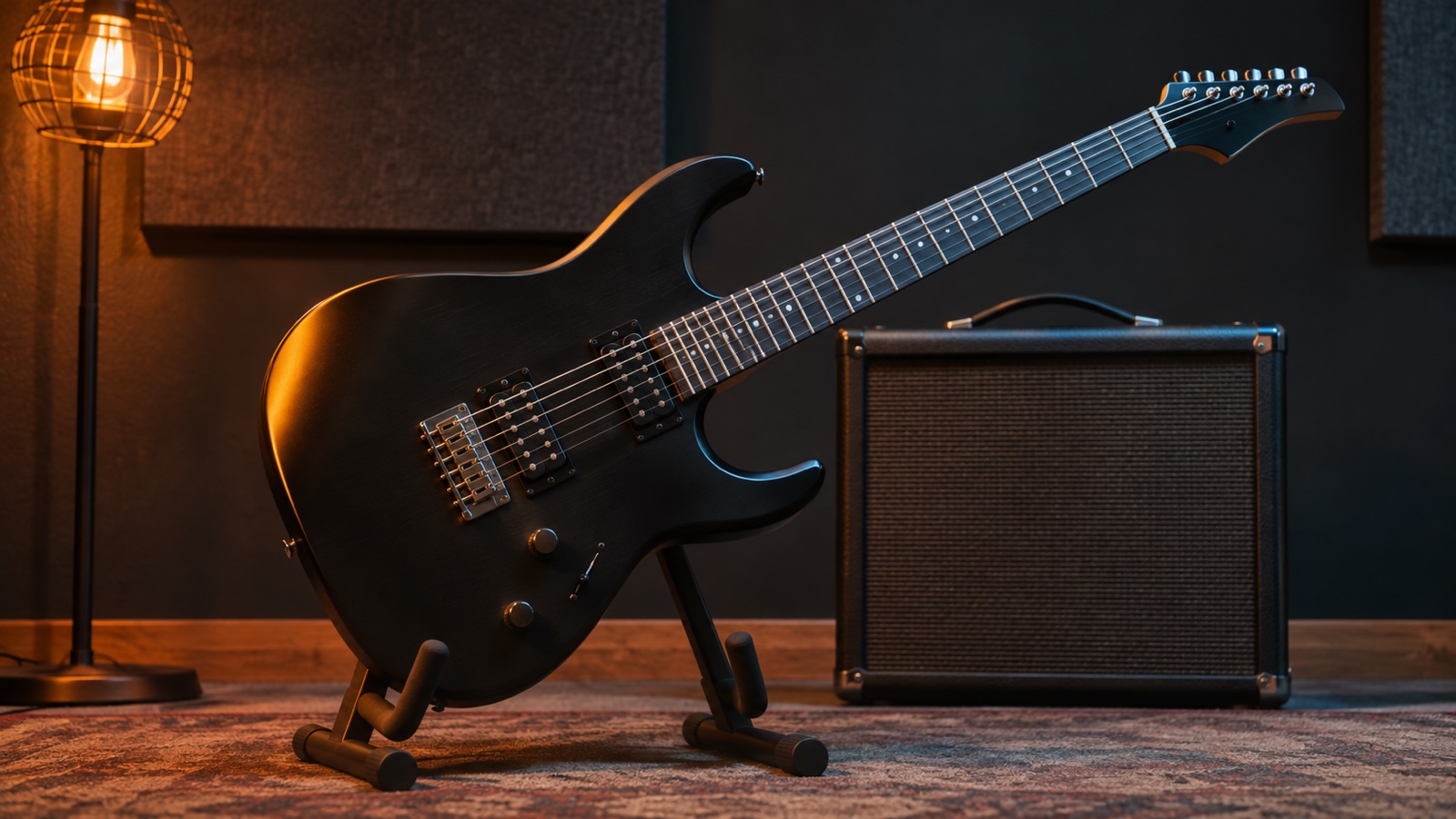
Heavy metal grew out of rock. Repeated guitar riffs and the weight of the bass and drums are two of its most recognizable features. Hard rock also uses distorted guitars and forceful drumming, which helps explain why the two styles overlap.
Start with recordings from 1970 and follow how the sound developed in the 1980s. Then listen to three original tracks from the point where each one begins in its video.
How this list was chosen
- Historical recordings and the modern original BGM tracks from this site are treated separately.
- The diagrams organize overlapping terms and a listening order. They are conceptual guides, not tests that classify every song.
- The usage terms apply only to the three downloadable tracks from this site.
Where heavy metal and hard rock overlap
Hard rock and heavy metal can share distorted guitar, repeated riffs, and forceful drums. One example of this overlap is the Rock & Roll Hall of Fame Library describing Black Sabbath as heavy hard rock while also connecting the band to the creation of heavy metal. When a song is unfamiliar, following where a short riff returns and how the bass and drums support its force can make the difference easier to describe.
Two early albums in 1970 changed how rock could sound
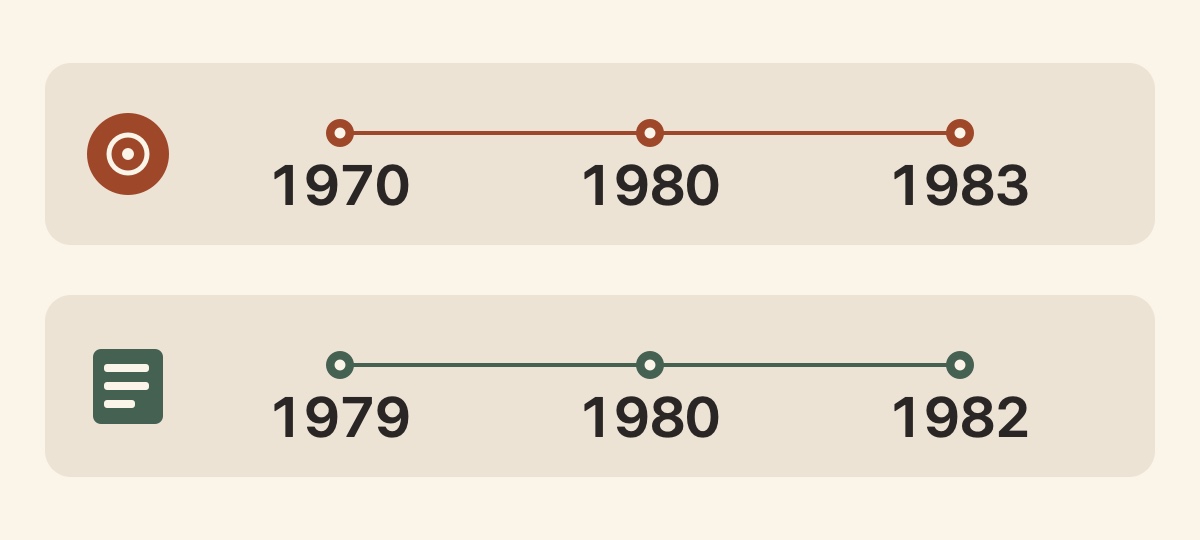
The Rock & Roll Hall of Fame Library explains that Black Sabbath's first two albums, Black Sabbath and Paranoid, were both released in 1970 and that their success marked a major change in rock. It also identifies riff-based songs, extreme volume, and dark subject matter as important elements in thinking about the heavy metal that followed.
These two 1970 albums, with riff-based writing and heavy sound brought to the foreground, offer a useful starting point for hearing early metal.
The ways of creating heaviness expanded in the 1980s
In Britain, a movement from the late 1970s into the early 1980s became known as the New Wave of British Heavy Metal. Iron Maiden released its debut album in 1980. The Rock & Roll Hall of Fame points to the band's galloping bass rhythms and paired guitars. Moving your attention from guitar to bass can make the music's forward drive easier to grasp.
In the United States, Metallica released its debut album Kill 'Em All in 1983. The band's official history describes punk-influenced riffing as part of the album's character. Even within the 1980s, one example invites attention to melody and a galloping bass, while another draws the ear to incisive guitar repetition.
One Japanese music magazine changed how it used the term around 1980
A 2025 newsletter from the Japanese Association for the Study of Popular Music reports on a master's thesis presentation that examined issues of the music magazine Music Life from 1978 to 1983. According to the report, heavy metal appeared as a genre name in the magazine in 1979. From 1980 onward, articles increasingly retold the history of hard rock as heavy metal, although writers still differed over the term's scope and definition.
The report also says that from 1982, an account treating hard rock as the predecessor of heavy metal became dominant in the magazine, helping form a broad framework specific to Japan. Today's different explanations of the boundary reflect not only differences in performance, but also the history of how magazines and other media grouped music under particular names.
References
Listen to the same passage three times
A riff is a short group of sounds repeated within a song. Distortion roughens a guitar's tone and changes its outline and resonance. A power chord centers on a root note and the note a perfect fifth above it. With palm muting, the side of the picking hand lightly touches the strings near the bridge, making them stop sooner and emphasizing the attack. These sounds are widespread in rock, so listen for how a song uses them rather than treating them as metal-only techniques.
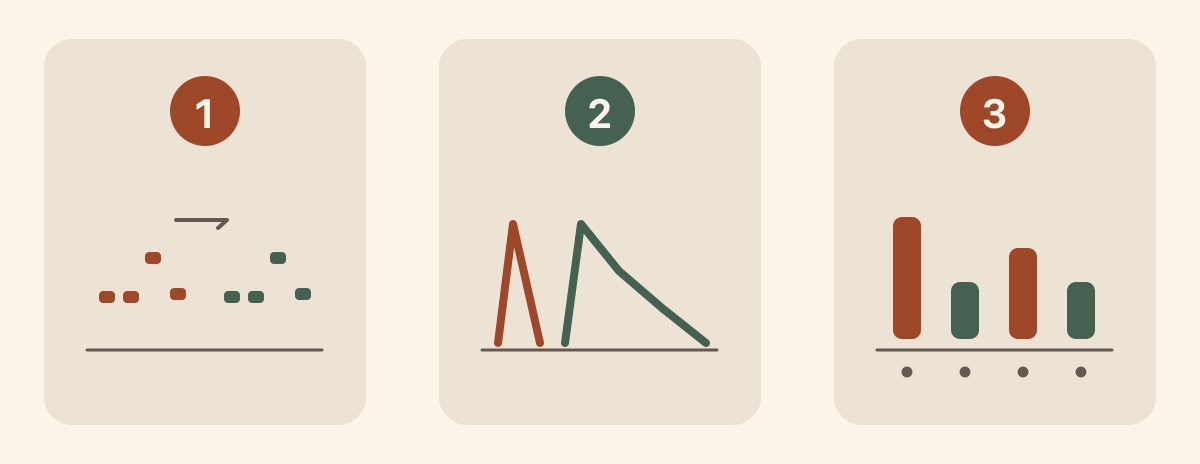
1. Follow the guitar riff. Look for a short group of sounds and, if one is present, find where it returns to the same shape. Focus on the point that feels like a return rather than demanding an identical performance every time.
2. Follow the sustain. Listen from the moment the guitar or a low sound begins until it fades. Compare how short, clipped sounds and longer, lingering sounds overlap.
3. Follow the drum and bass pulse. Do not decide from speed alone. Find the pulse that is easiest to feel physically and notice how low sounds support it.
Try the listening method with three original tracks
Start with the track tagged metal, then try the same listening method on two tracks tagged rock. All three are original Arcalune recordings. The links go to the start of each track in its video.
You Were Not Meant to Find This is 4 minutes 9 seconds long. Its public description presents it as secret-boss BGM led by a guitar melody and carried by a measured pulse. It is the metal-tagged track in this comparison. Start at 2:27:51 in the compilation video.
Late Night Riff is 2 minutes 33 seconds long. Its public description presents it as a cool rock riff for late-night streams. It is one of the two rock-tagged comparison tracks. Start at 55:40 in the compilation video.
Something Bigger is 3 minutes 38 seconds long. Its public description presents it as mid-boss BGM led by a guitar melody and carried by a heavy half-time pulse. It is the other rock-tagged comparison track. Start at 1:56:20 in the compilation video.
Using these tracks in videos and streams
These three royalty-free background tracks are available to download. Under the usage guide, you can use them in commercial and noncommercial videos and streams. Credit is optional.
Reselling or redistributing the audio on its own or using it to train AI is prohibited. The guide applies to the three Arcalune tracks. Check the rights holders’ terms for the historical recordings discussed above.
References
- 1
Metal and rock listening comparison
Start with the track tagged metal, then hear two tracks tagged rock. Compare the riff, how the sound fades, and the beat.
These sounds from arcalune
The next time you hear an unfamiliar song, listen for the riff that returns and notice how the bass and drums support it. Describing where the weight comes from helps you recognize what hard rock and heavy metal share and what makes each recording distinctive.
FAQ
- What is heavy metal?
Heavy metal is a broad form of music that developed from rock, with repeated guitar riffs and the heavy feel created by drums and bass among its central listening features. It is not defined by a single technique or tone.
- What is the difference between heavy metal and hard rock?
They overlap substantially, so not every song can be divided by one universal rule. The era and the way media applied each name matter alongside sonic differences. Comparing the riff, sustain, and pulse in the same order makes the differences more concrete.
- Does distorted guitar or a power chord make a song heavy metal?
Not by itself. Distortion, power chords, and palm muting also appear in hard rock and other music. Listen for how riff repetition, sonic density, and the drum and bass pulse work together rather than relying on one technique.
- When did heavy metal begin?
This article uses Black Sabbath's first two albums, released in 1970, as an important starting point for tracing the change. It does not treat one day or one album as the sole birth of the genre, but looks at a broader shift around 1970 that brought riffs and heavy sound to the foreground in rock.
- How did the Japanese magazine Music Life use the term heavy metal?
A 2025 JASPM presentation report says that the term appeared as a genre name in Music Life in 1979 and spread in the magazine from 1980. Writers initially differed over its scope and definition, and a broad historical account became dominant from 1982. This evidence concerns that one magazine.
- Can I use the three featured tracks in videos or streams?
The three tracks from this site may be used commercially or noncommercially without required credit. Reselling or redistributing the audio on its own and using it for AI training are prohibited. Check each track page and the latest usage guide before use. These terms do not apply to historical recordings or heavy metal music in general.