
What Is City Pop? Japanese Pop and Its Global Revival
City pop is a term mainly used for Japanese pop from the late 1970s and the 1980s that drew on soul, funk, rock and other music from abroad. It became associated with images of city life and leisure. Later curation and streaming broadened the range of works heard together under the label.
What period and kinds of music does city pop describe?
By the early 1980s, magazines introducing newly emerging singers and bands were already using the term city pop. Moritz Sommet studied publications from 1977 to 2016 and found that record guides in the early 2000s used it to regroup a wide range of works from the 1970s and 1980s.
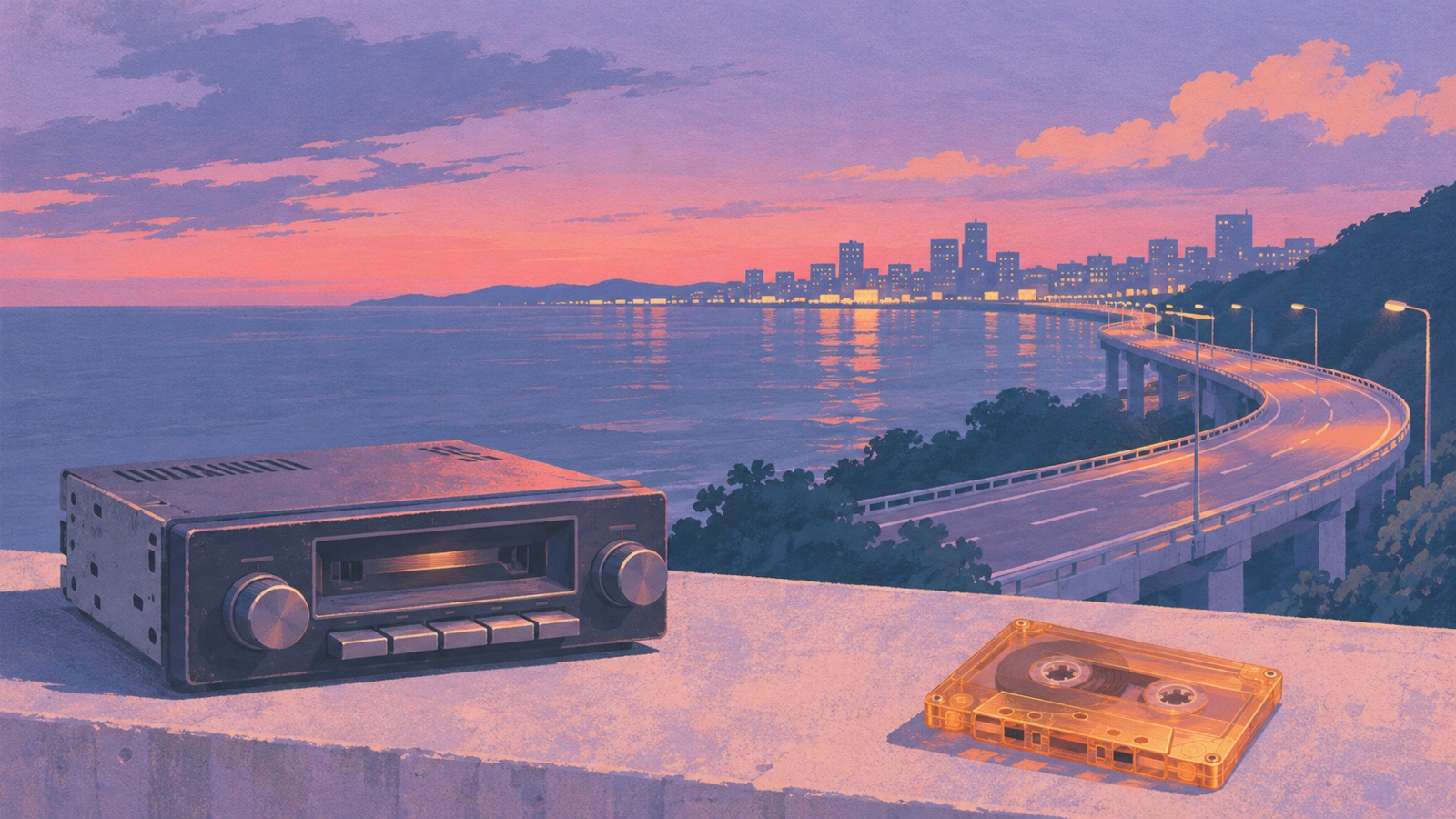
Music presented under the same label can sit close to rock, feature soul-influenced singing or draw on funk rhythms. Images of city nights and seaside settings take shape through the sound, lyrics, record covers and later selections.
Trace the original releases of three works from 1975 to 1985
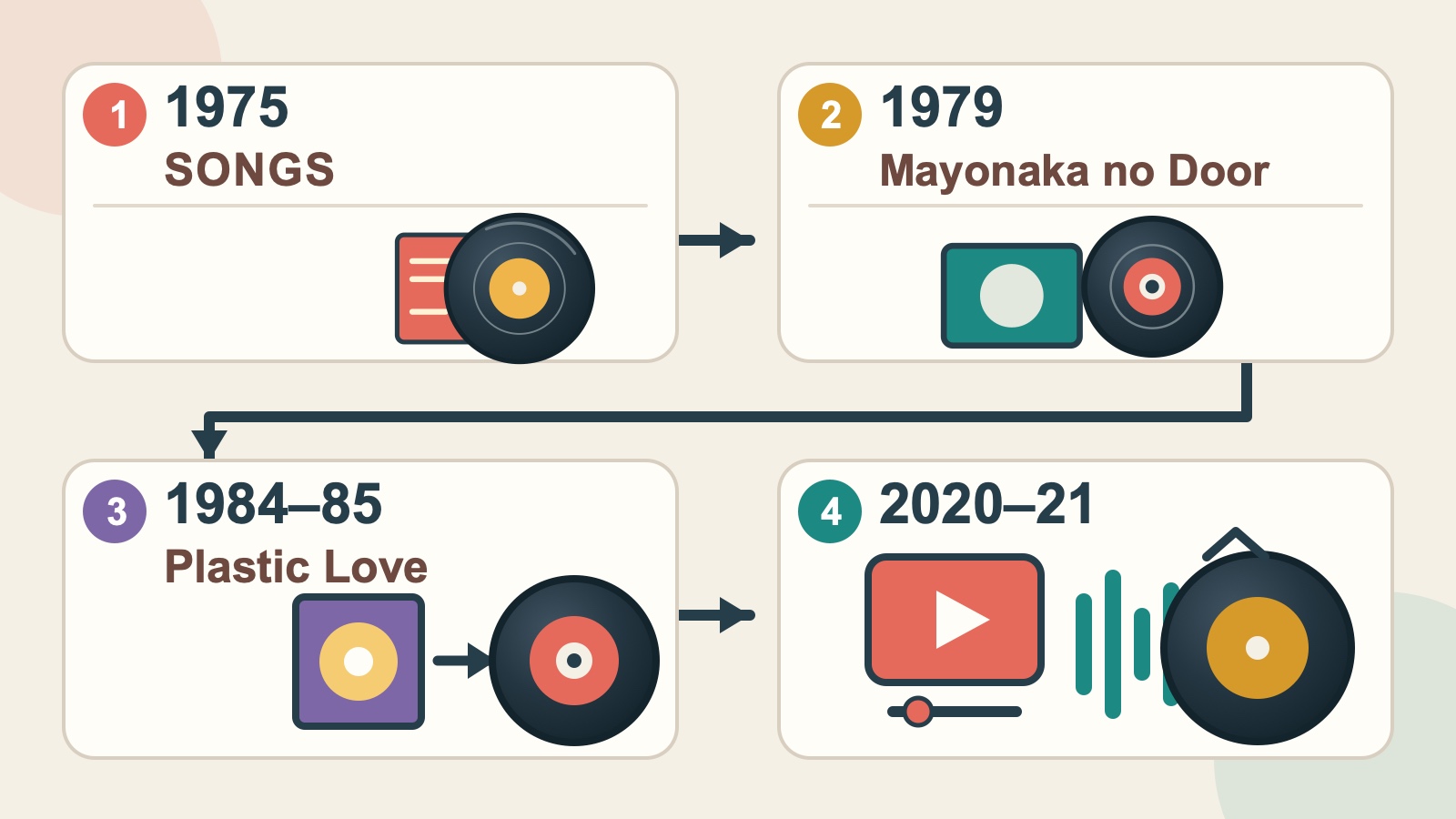
In 1975, Sugar Babe, whose members included Tatsuro Yamashita and Taeko Onuki, released the album SONGS and the single DOWN TOWN. They offer one starting point for hearing work from the mid-1970s when tracing the history of city pop.
Miki Matsubara’s 1979 debut single was Mayonaka no Door ~ Stay With Me. Its composer and arranger, Tetsuji Hayashi, recalled that he was asked for a melody that would work with English lyrics and placed importance on cutting guitar and the 16-beat rhythm created by drums and bass.
Mariya Takeuchi’s Plastic Love appeared on the 1984 album VARIETY and was released as a 12-inch single the following year. The album version and the longer mix issued on the single present different versions of the same song.
Listen to the vocals, accompaniment and bass one layer at a time
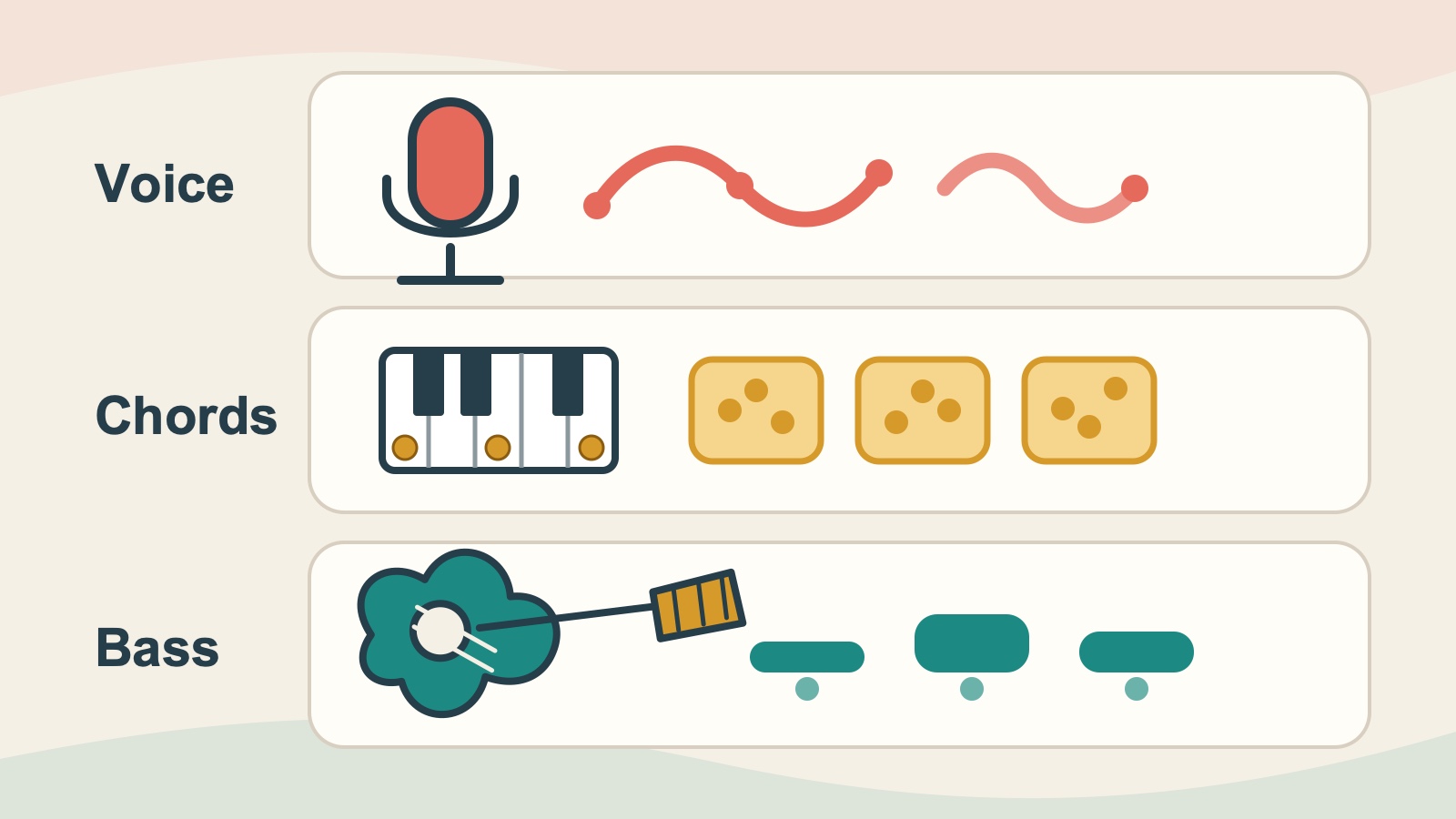
Start with the vocal and find where one phrase comes to a close. Next, shift your attention to either the keyboard chords or the short guitar strokes. Finally, follow only the bass and compare how the low notes move beneath the vocal and interlock with the rhythm of the accompaniment.
The composer and arranger of Mayonaka no Door ~ Stay With Me has said that Tsugutoshi Goto played bass and Masaki Matsubara played guitar. Listen for those two parts in Pony Canyon’s official lyric video. Then open the VARIETY version of Plastic Love and use the same order to find the sounds between vocal lines and the low notes.
Video and streaming brought new listeners to older records
Older works continued to circulate through record guides and selections by DJs. Later, more listeners could discover a song through video and then look for the original recording on a streaming service. In a survey of online fan communities by Moritz Sommet and Ken Kato, more than two-thirds of the 575 respondents named YouTube as the place where they first encountered city pop.
Mayonaka no Door ~ Stay With Me attracted attention on streaming-service viral charts in late 2020, and the vinyl single was reissued. Plastic Love was also reissued as a 12-inch record in 2021, placing the album version and the longer mix on the same release. Listeners who first found the songs through streaming gained another way to hear them on record.
Practise distinguishing short guitar strokes and keyboard tone in another track
Use Arcalune’s funk-pop background track Window Shopping (2:52) to practise separating the accompaniment. Start at 3:33 in the official YouTube video and listen first for the short cutting-guitar strokes, then for the sound of the electric piano. Finally, find where the two parts overlap.
Window Shopping can be downloaded for free. Within the material usage guide, it is royalty-free, commercial use is allowed and credit is optional. Resale or redistribution of the audio by itself and use for AI training are prohibited. If you want to use the historical recordings introduced for comparison in your own work, check the terms set by each rights holder.
Open the official recordings and listen in the order of vocals, accompaniment and bass. Finding one point of interest in each song makes it easier to hear how the arrangements differ among works presented under the same city pop label.
FAQ
- What decades does city pop come from?
The term mainly refers to Japanese pop from the late 1970s and the 1980s. It was already in use during the 1980s, while record guides in the 2000s and later streaming curation also used it to group a broader range of earlier works.
- Does city pop have a fixed set of instruments or rhythms?
The instrumentation and rhythms vary from one work to another. Listen separately to the vocals, keyboard or guitar accompaniment, and bass to hear the differences between arrangements.
- Why was older city pop rediscovered abroad?
Video and streaming made older songs easier to find. In the cited survey of 575 respondents from an online fan community, more than two-thirds named YouTube as their first point of contact with city pop. Vinyl reissues also gave that group and other listeners more ways to encounter the music.
- Can I use the official recordings linked in this article as background music for a video?
The external links are for listening. Check the terms of each rights holder before using those works in a video or another project. Arcalune’s Window Shopping can be downloaded for free and used commercially within the material usage guide.