
What Is Ambient Music? History, Features, and Field Recordings
Ambient music has been conceived as music that relates to the atmosphere of a place or time and can be heard either in the background or with close attention. It is not defined by one instrument, one fixed tempo, or the presence or absence of environmental recordings.
Understanding the term requires more than the image of quiet electronic sound. We need to separate ideas that reach back to the early twentieth century, changes visible in works from 1975, 1978, and 1982, and ways of incorporating environmental recordings into a composition. Many works keep the beat out of the foreground, but ambient music is not limited to beatless music.
The second half introduces three modern original background tracks from our catalog. Treat them separately from the historical works and use the instruments, meter, and mood labels in their descriptions to compare differences within the same Ambient tag.
Ambient music can be background and an object of attention
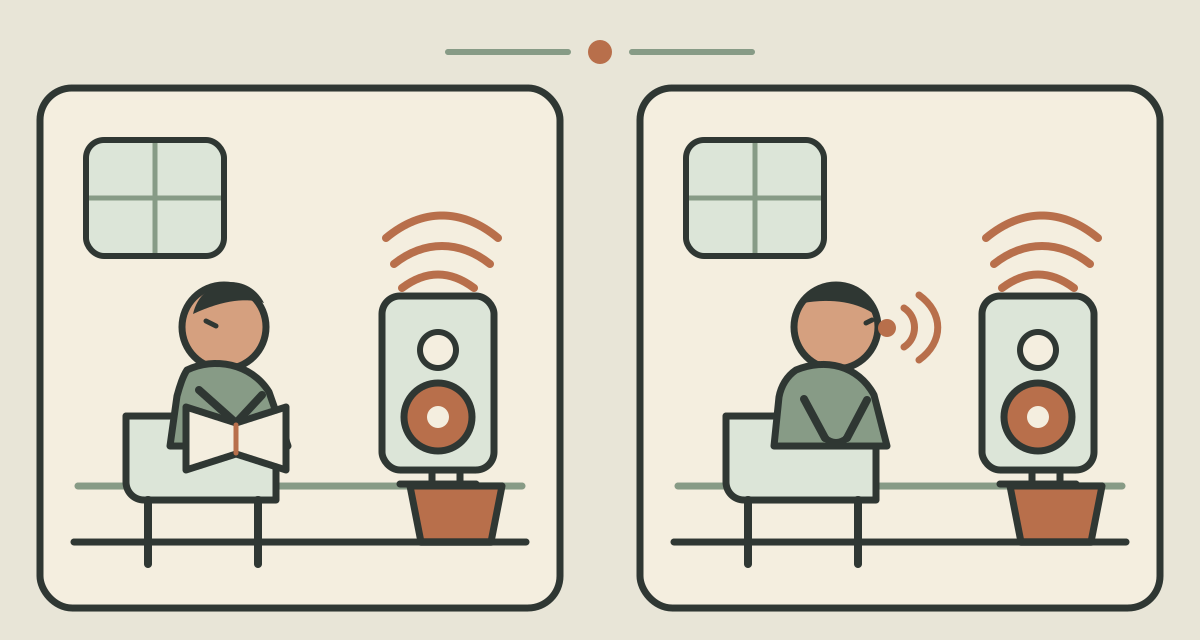
The notes accompanying the 1978 album Ambient 1: Music for Airports distinguished ambient music from canned background music that uniformly covers the character of an environment. Instead, it was presented as music that enhances the atmosphere of a place. Central to the idea is that it can sit behind work or conversation and also reward attention, rather than forcing one mode of listening.
From this perspective, no single question—whether a synthesizer is used, whether there is a melody, or whether drums are absent—decides if music is ambient. Certain approaches to timbre, space, and change recur, but making any one of them mandatory would fail to describe the works that later broadened the field.
From twentieth-century precedents to works from 1975, 1978, and 1982
Ideas connected with ambient music did not suddenly appear in 1978. The artscape overview names Erik Satie’s early-twentieth-century “furniture music” and John Cage’s attention to sounds occurring by chance in the surroundings as precedents. They should not be drawn into a single straight line toward one inventor, but understood as several attempts to reconsider music, place, background, and listening.
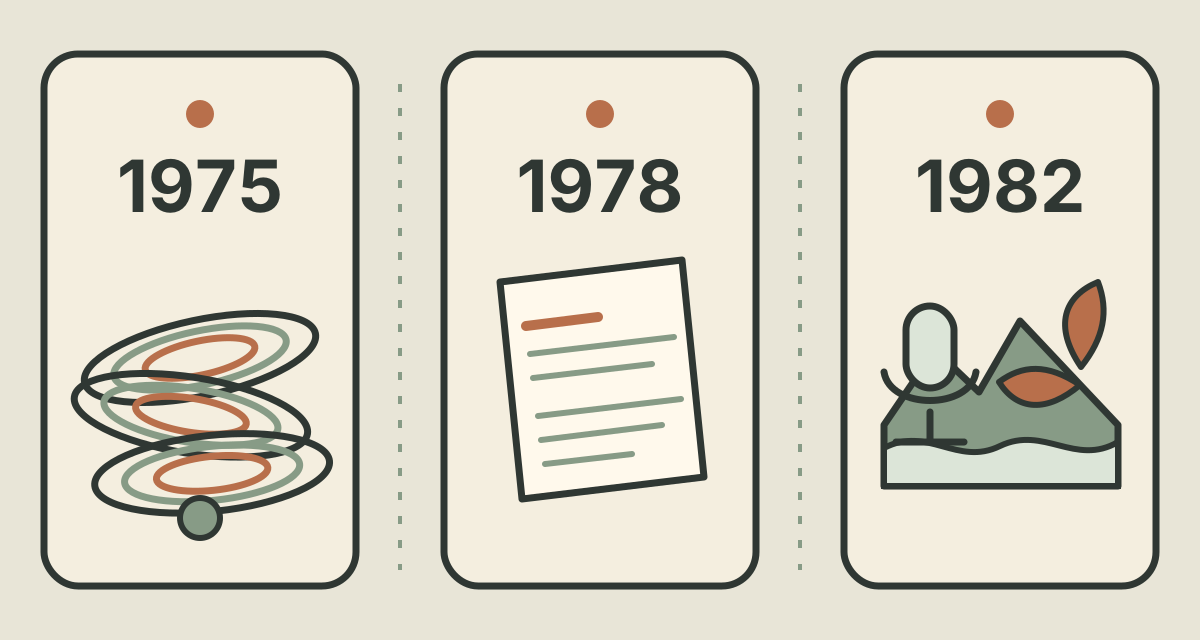
The label’s account describes Brian Eno’s 1975 album Discreet Music as a clear step toward ideas later organized as ambient. With Music for Airports in 1978, the name “ambient music” and its purpose came to the foreground through the album and its notes. Related music had already been made, so this work cannot be treated as the only beginning of the music.
Ambient 4: On Land from 1982 treated not only instruments but also chains, sticks, stones, recordings of birds, frogs, and insects, and earlier recordings as material. Placing 1975, 1978, and 1982 side by side shows the idea expanding from a way of listening in the background to the use of material that evokes places and landscapes.
Environmental recordings are one kind of material for ambient works
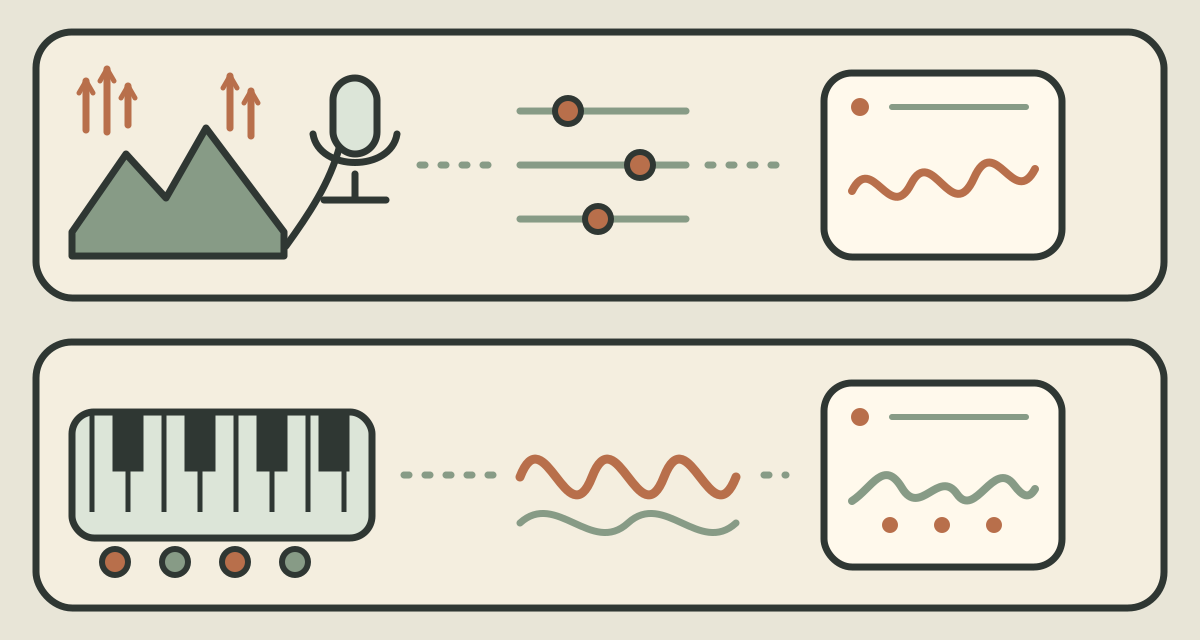
Recordings of rain, birds, insects, streets, and other sounds present at a location can become material in an ambient work. Recording environmental sound alone, however, does not make every result ambient music. Conversely, some works evoke place or space with instruments and electronic sound without using environmental recordings.
The account of On Land describes recordings of birds, frogs, and insects being recombined with the sounds of chains and stones, instruments, and older recordings. Research on relationships between landscape and sound also notes that field recordings may appear in the foreground, or may be processed with reverberation or delay and layered with drones or instruments.
Listening to the sound of a location as a record and making a work by selecting and combining that recording are different activities. Because a work may also be made from instruments or electronic sound, the presence or absence of environmental sound cannot determine the genre by itself.
Quiet and beatless are common tendencies, not requirements
Many ambient works emphasize timbre and space, change slowly, and keep the beat out of the foreground. artscape likewise describes subtle changes in relatively quiet sound as a typical feature. These qualities are useful starting points when searching, but they cannot fix the limits of the field by themselves.
Music Beyond Airports argues that it is a mistake to turn the calm and quiet qualities of Music for Airports into a definition for all ambient music. Later works have included dark atmospheres and music connected with house and techno that carries a beat. The label “Dark” describes atmosphere; it does not mean that the volume is loud.
When choosing a track, do not rely on the Ambient label alone. Check whether the description mentions meter or repeated note motion, which instruments it names, and which mood labels appear. The next three modern background tracks show those differences within the same Ambient tag.
Compare meter and mood labels across three tracks
The next three tracks are modern originals from our catalog. They are not historical recordings or reconstruction performances. Listen to them as examples for comparing the instruments, meter or note motion, and mood labels stated in each description.
Ledger of the Company runs for 3:00 and starts at 12:00 in the video. Its description names vibraphone as the lead and 3/4 as the meter. Alongside Ambient, it carries the Gentle label. Try it from the linked position as an example in which a gentle mood label and a stated meter coexist.
Nothing Holds Weight Here runs for 4:48 and begins at 1:24:05 in the video. Its description names flute as the lead and 6/4 as the meter. Alongside Ambient, it carries Dark, Mysterious, and Horror labels. These classify mood and use; they do not state the actual volume.
Count the Squares Again runs for 3:01 and starts at 2:04:47 in the video. Its description names piano as the lead and sixteenth-note motion. It carries Ambient, Focus, and Tension labels. It shows that tracks with repeated note motion can share the tag, rather than limiting the search to music without a beat.
After comparing the three, continue to the ambient background music list for more candidates. Narrow them by instrument or mood, listen on each track page, and check whether the track can be downloaded for use as material.
Separate listening from using a track as material
To compare the three tracks, play them from their track pages or the linked positions on YouTube. To use one in a video, stream, game, or other work, check the download notice on that track and the current audio usage guide rather than relying on the genre name. All three are downloadable, may be used commercially under our guide, and require no credit. They are royalty-free here: there is no additional charge based on the number of uses or plays.
Selling or redistributing the audio by itself and using it as AI training data are prohibited. Royalty-free does not mean that copyright has been waived. These conditions apply to the three tracks from this site, not to the historical works mentioned above or ambient music from other distributors. Check the track page and the latest usage guide before use.
- 1
Ambient
Compare lead instruments, 3/4 and 6/4 meter, sixteenth-note motion, and labels such as Gentle, Dark, and Tension in three modern originals—not historical recordings or reconstructions of early ambient music.
Use it forCompare lead instruments, Compare meter and note motion, Compare mood and use labels
These sounds from arcalune
Ambient music has been described as music that relates to place and atmosphere and can be heard either in the background or with attention. Earlier ideas reach back to the early twentieth century, while works from 1975, 1978, and 1982 show listening, naming, and the treatment of recorded material expanding in stages. Environmental recordings are one available material, not a requirement for every work.
When searching, do not decide from an image of quiet, beatless music alone. Check meter, note motion, instruments, and mood labels. Ledger of the Company, Nothing Holds Weight Here, and Count the Squares Again are three tracks whose differences can be compared from published information. If you use one as material, also check the download notice and the latest usage guide.
FAQ
- What is ambient music?
It is music conceived in relation to the atmosphere of a place or time and able to sit behind work or conversation or be heard with close attention. It is not defined by one instrument, one tempo, or the presence of environmental recordings.
- Are ambient music and environmental recordings the same?
No. An environmental recording is one kind of material that can be used in an ambient work. It may be processed and layered with instruments or electronic sound, and some ambient works use no environmental recordings.
- Is ambient music always quiet and without a beat?
Many works are quiet and keep the beat out of the foreground, but those are not requirements. Some works have dark atmospheres, and some connect with house or techno and carry a beat. Check each track’s published description and labels.
- Can I use the three featured tracks in videos or games?
The three original background tracks are downloadable from this site. They may be used commercially under our usage guide and require no credit. Selling or redistributing the audio by itself and using it as AI training data are prohibited, so check each track page and the latest guide before use.